



PROTAC Linkers
PROTACs (Proteolysis Targeting Chimeric Molecules) are heterobifunctional protein degraders and promising targeted therapeutics candidates for cancer. The PROTAC linker connects two functional motifs of a PROTAC, a target protein binder and an E3 ligase recruiter.
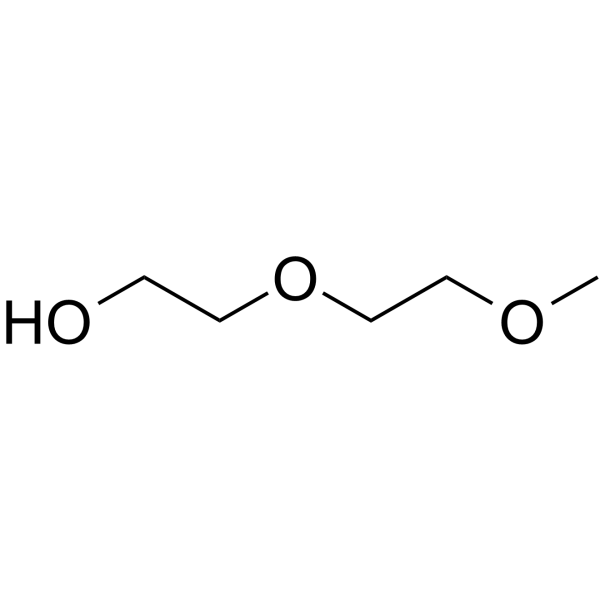
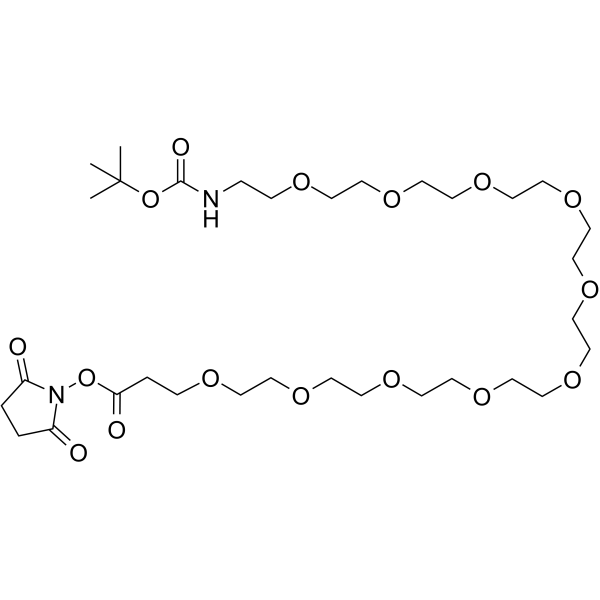
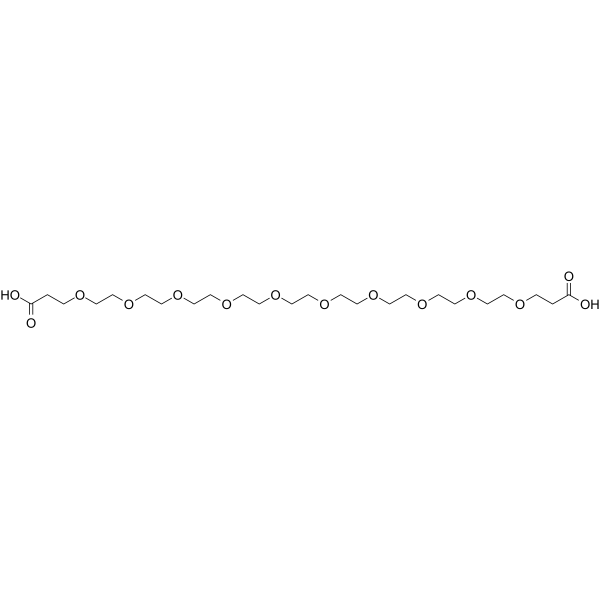
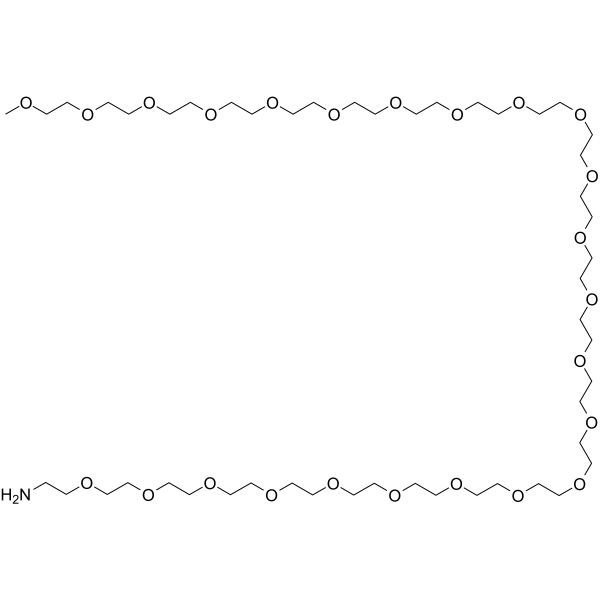
The linker plays an important role in a PROTAC. The features of the linker (type, length, attachment position) can affect the formation of ligase:PROTAC:target ternary complex, resulting in influencing the efficient ubiquitination of the target protein and its ultimate degradation. The optimal lengths of the PROTAC linkers are reported varying from 12-carbon to over 20-carbon, and the commonly used linkers in the development of PROTACs are PEGs, Alkyl-Chain and Alkyl/ether.
PROTAC Linkers Isoform Specific Products
All Product Categories
-
PROTAC Linkers Related Products (4095)
Related Products (4095)

-
PROTAC Linkers Isoform Comparison
-
Amino-PEG2-C2-hydrazide-Boc
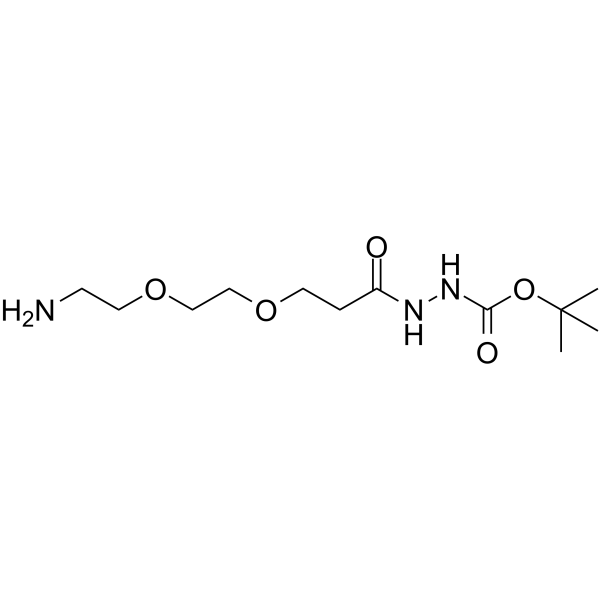 0 ImagesCat. No.: HY-140222CAS No.: 2100306-60-1
-
m-PEG6-NHS ester
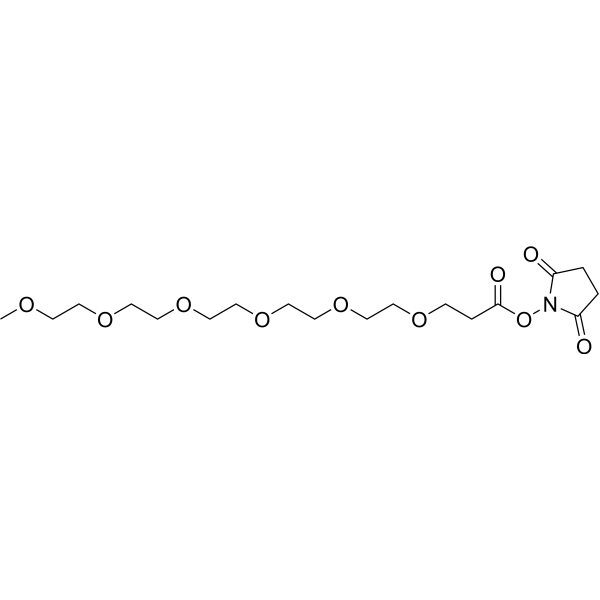 0 ImagesCat. No.: HY-133066CAS No.: 1449390-12-8m-PEG6-NHS ester is a non-cleavable 6 unit PEG ADC linker used in the synthesis of antibody-drug conjugates (ADCs). m-PEG6-NHS ester is a PEG/Alkyl/ether-based PROTAC linker can be used in the synthesis of PROTACs.
-
Maleimido-tri(ethylene glycol)-propionic acid
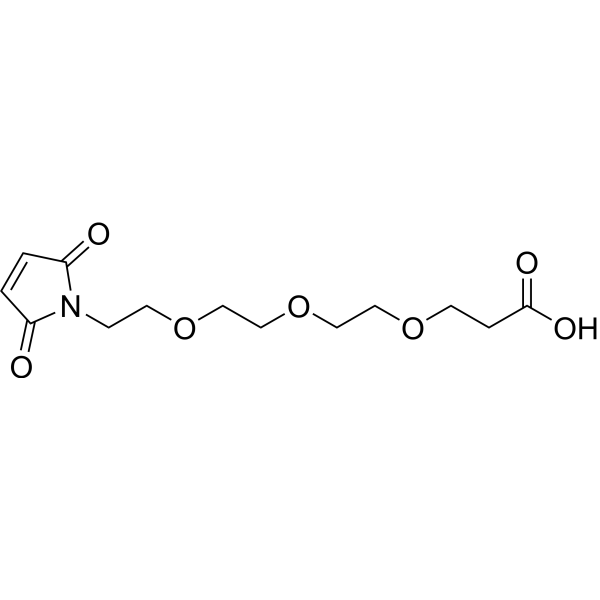 0 ImagesSynonyms: Mal-PEG3-acidMaleimido-tri(ethylene glycol)-propionic acid is a cleavable ADC linker used in the synthesis of antibody-drug conjugates (ADCs). Maleimido-tri(ethylene glycol)-propionic acid is used for the preparation of neolymphostin-based ADC precursors for site-specific cysteine mutant trastuzumab-A114C conjugation. Maleimido-tri(ethylene glycol)-propionic acid also can be used as a PEG-based PROTAC linker that can be used in the synthesis of PROTACs.
-
2-((Azido-PEG8-carbamoyl)methoxy)acetic acid
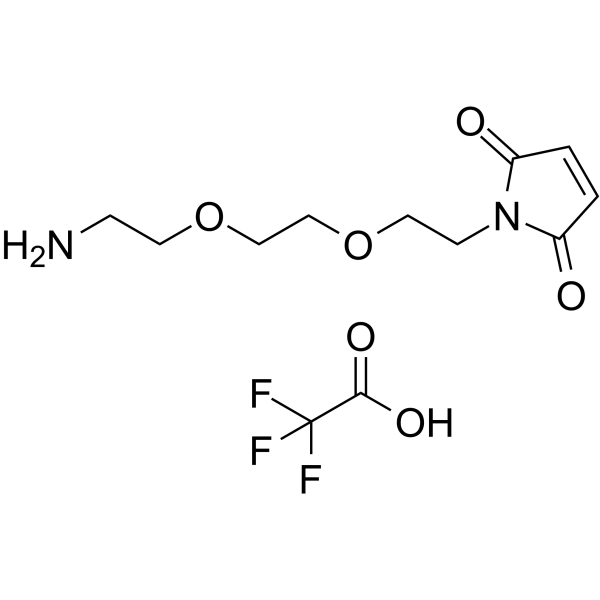
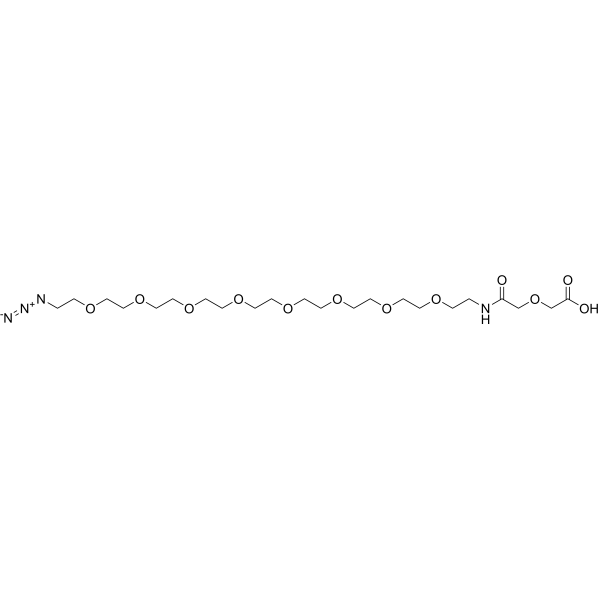 0 Images2-((Azido-PEG8-carbamoyl)methoxy)acetic acid is a PEG-based PROTAC linker that can be used in the synthesis of PROTACs. 2-((Azido-PEG8-carbamoyl)methoxy)acetic acid is a click chemistry reagent, it contains an Azide group and can undergo copper-catalyzed azide-alkyne cycloaddition reaction (CuAAc) with molecules containing Alkyne groups. It can also undergo strain-promoted alkyne-azide cycloaddition (SPAAC) reactions with molecules containing DBCO or BCN groups.
-
Azido-PEG10-NHS ester
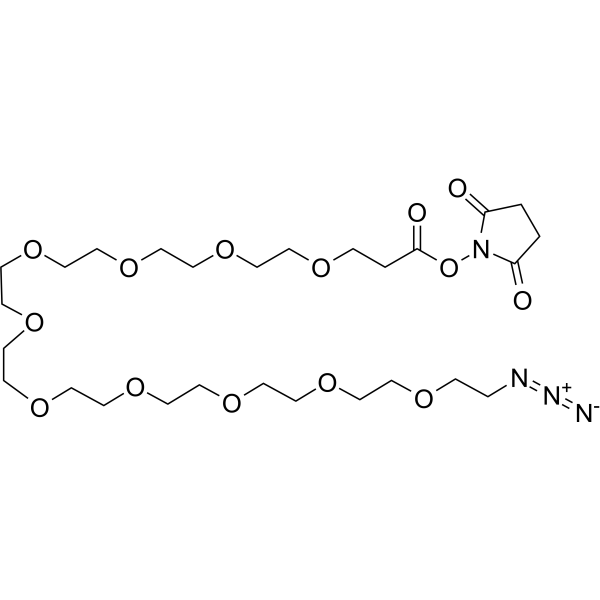 0 ImagesAzido-PEG10-NHS ester is a PEG-based PROTAC linker that can be used in the synthesis of PROTACs. Azido-PEG10-NHS ester is a click chemistry reagent, it contains an Azide group and can undergo copper-catalyzed azide-alkyne cycloaddition reaction (CuAAc) with molecules containing Alkyne groups. It can also undergo strain-promoted alkyne-azide cycloaddition (SPAAC) reactions with molecules containing DBCO or BCN groups.
-
Thiol-PEG4-acid
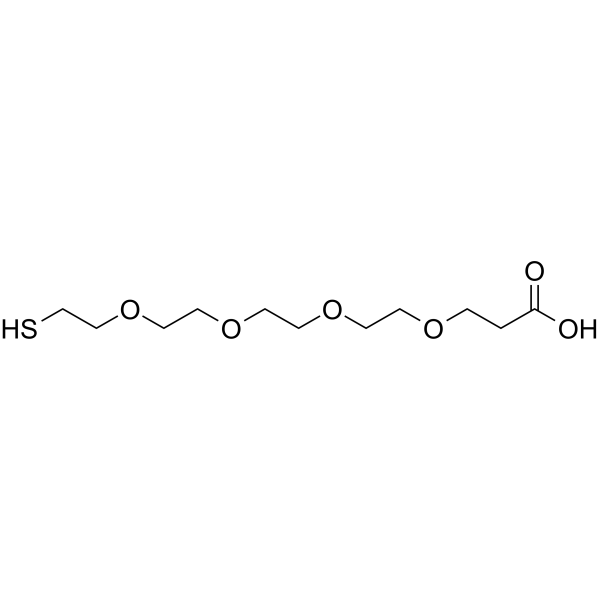 0 ImagesCat. No.: HY-130213CAS No.: 749247-06-1
-
Propargyl-PEG8-NHS ester
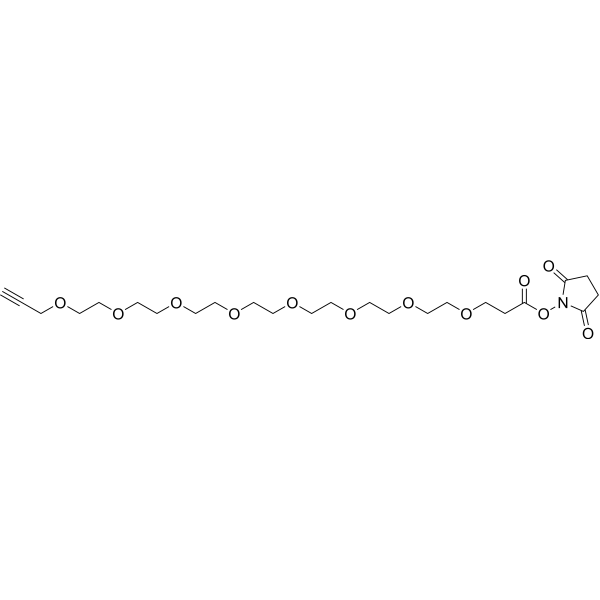 0 ImagesCat. No.: HY-130376CAS No.: 2182601-74-5Propargyl-PEG8-NHS ester is a PEG/Alkyl/ether-based PROTAC linker can be used in the synthesis of PROTACs. Propargyl-PEG8-NHS ester is a cleavable ADC linker used in the synthesis of antibody-drug conjugates (ADCs). Propargyl-PEG8-NHS ester is a click chemistry reagent, it contains an Alkyne group and can undergo copper-catalyzed azide-alkyne cycloaddition (CuAAc) with molecules containing Azide groups.
-
Bis-PEG7-NHS ester
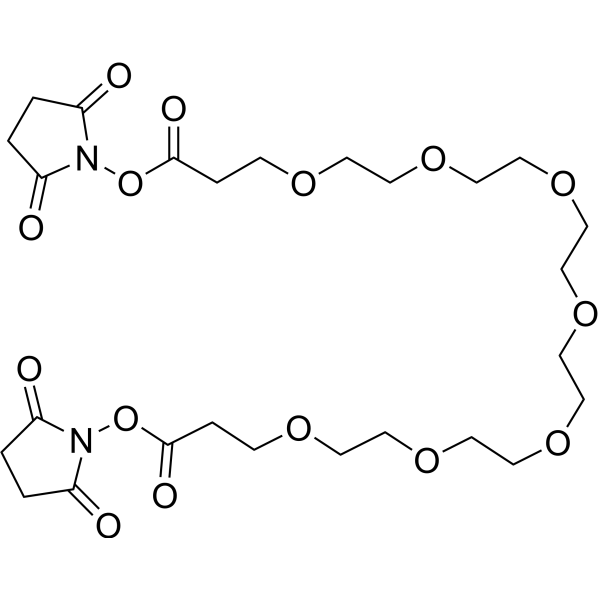 0 ImagesBis-PEG7-NHS ester is a PEG/Alkyl/ether-based PROTAC linker can be used in the synthesis of PROTACs. Bis-PEG7-NHS ester is a cleavable ADC linker used in the synthesis of antibody-drug conjugates (ADCs).
-
m-PEG7-CH2CH2COOH
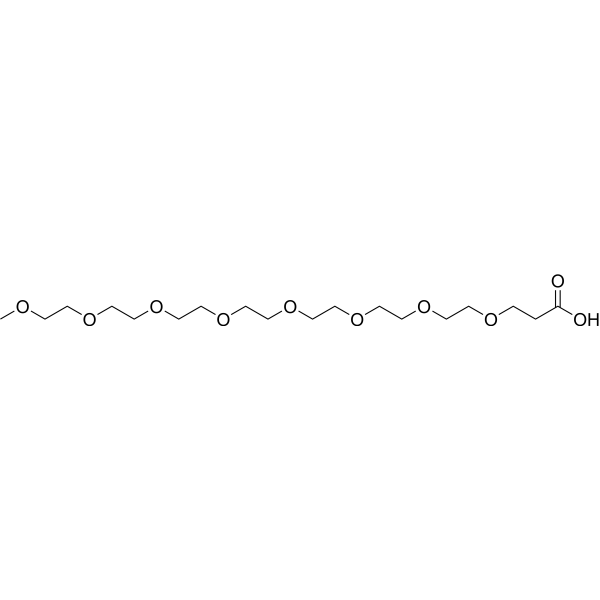 0 ImagesCat. No.: HY-130151CAS No.: 1093647-41-6m-PEG7-CH2CH2COOH is a non-cleavable ADC linker used in the synthesis of antibody-drug conjugates (ADCs). m-PEG7-CH2CH2COOH is also a PEG-based PROTAC linker that can be used in the synthesis of PROTACs.
-
Iodoacetamide-PEG5-azide
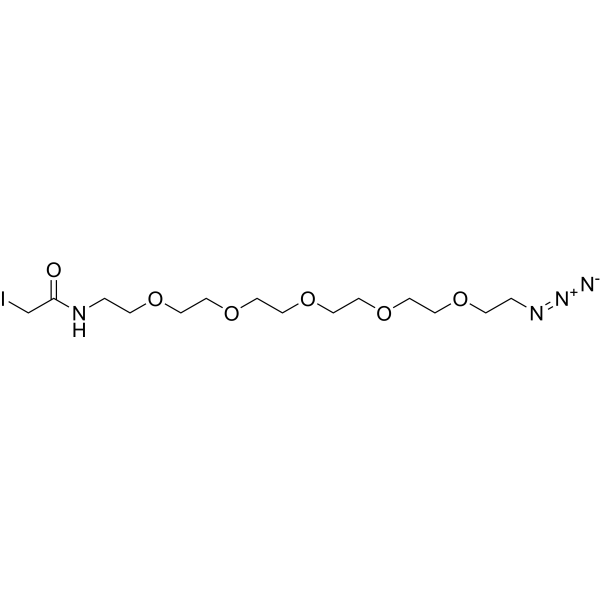 0 ImagesCat. No.: HY-134687Iodoacetamide-PEG5-azide is a PEG-based PROTAC linker that can be used in the synthesis of PROTACs. Iodoacetamide-PEG5-azide is a click chemistry reagent, it contains an Azide group and can undergo copper-catalyzed azide-alkyne cycloaddition reaction (CuAAc) with molecules containing Alkyne groups. It can also undergo strain-promoted alkyne-azide cycloaddition (SPAAC) reactions with molecules containing DBCO or BCN groups.
-
(2R,4S)-1-tert-Butyl 2-methyl 4-hydroxypyrrolidine-1,2-dicarboxylate
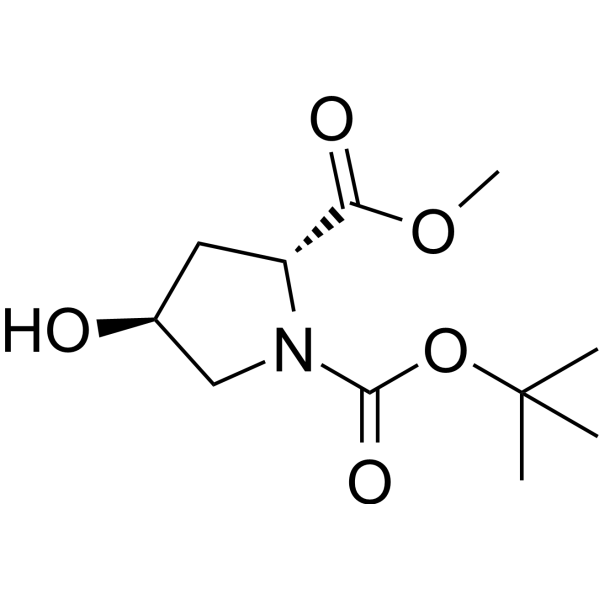 0 ImagesBoc-trans-D-Hyp-OMe is a non-cleavable ADC linker used in the synthesis of antibody-drug conjugates (ADCs). Boc-trans-D-Hyp-OMe is also a alkyl chain-based PROTAC linker that can be used in the synthesis of PROTACs.
-
9-Hydroxynonanoic acid
 0 ImagesSynonyms: omega-Hydroxynonanoic acid
-
10-Aminodecanoic acid
 0 ImagesCat. No.: HY-W105744CAS No.: 13108-19-510-Aminodecanoic acid is an alkane chain with terminal carboxlic acid and amine groups. 10-Aminodecanoic acid can be used as a PROTAC linker in the synthesis of PROTACs and other conjugation applications. The amino group (NH2) is reactive with carboxylic acids, activated NHS esters, carbonyls (ketone, aldehyde) etc. The terminal carboxylic acid can react with primary amine groups of activated NHS ester to form a stable amide bond.



